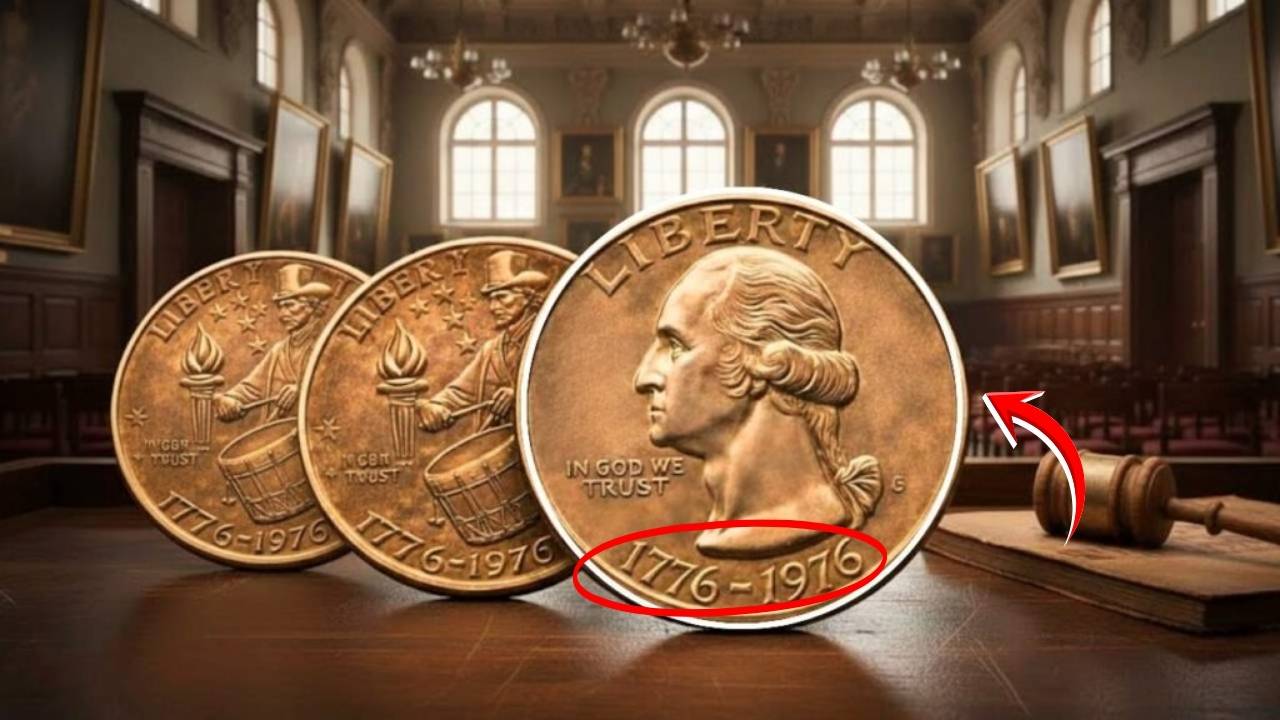
22 Rare U.S. Wheat Pennies Worth Big Money in 2026: Wheat pennies hold a special place in American coin collecting. Minted from 1909 to 1958, these small copper coins were part of everyday life for generations. While most wheat pennies are still worth only a few cents, some rare dates, mintmarks, and error coins are expected to bring serious money in 2026. As demand for historic U.S. coins continues to rise, collectors are paying closer attention to overlooked varieties that can turn pocket change into a valuable asset.
Why Wheat Pennies Are Gaining Value in 2026
The value of wheat pennies is influenced by scarcity, condition, and collector interest. In 2026, several factors are pushing prices higher. Fewer high-grade examples remain each year, while interest in tangible assets like coins continues to grow. Rising copper values also add a baseline worth to pre-1982 cents, making wheat pennies even more attractive.
Collectors are especially focused on key dates, low-mintage issues, and minting errors that escaped quality control. These coins are no longer just collectibles but long-term investments.
The Most Valuable Key-Date Wheat Pennies
Among the 22 wheat pennies commanding high prices, a few stand out as legendary. The 1909-S VDB remains the most famous, with strong demand regardless of condition. Its low mintage and historical significance ensure it will remain valuable well beyond 2026.
The 1914-D wheat penny is another key date with strong appreciation. Even well-worn examples are worth hundreds of dollars, while uncirculated pieces can reach five figures. The 1931-S penny also continues to rise due to its low production numbers during the Great Depression.
Rare Mintmark Varieties to Watch
Mintmarks play a critical role in wheat penny values. Coins struck in Denver and San Francisco often had lower mintages than those from Philadelphia. The 1922 No D wheat penny is one of the most desirable mintmark errors, created when the Denver mintmark failed to strike properly.
Collectors in 2026 are also targeting the 1909-S, 1911-S, 1912-S, and 1913-S wheat pennies. These coins are becoming harder to find in original condition, pushing prices steadily upward.
High-Value Wheat Penny Errors
Error coins make up a significant portion of the 22 wheat pennies worth big money. One of the most famous is the 1955 doubled die obverse. The doubling on the date and lettering is dramatic and easily visible without magnification. Strong examples continue to sell for tens of thousands of dollars.
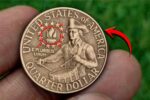
Other notable errors include the 1943 copper wheat penny, which was mistakenly struck on copper planchets instead of steel during World War II. Authentic examples are extremely rare and can sell for over $100,000.
The 1944 steel wheat penny is another wartime error gaining attention in 2026. Only a small number are known to exist, and demand continues to outpace supply.

Condition and Grading Matter More Than Ever
As prices increase, condition becomes even more important. Two identical wheat pennies can have vastly different values based on wear, luster, and surface quality. Coins with original color, sharp details, and no cleaning damage command significant premiums.
Professional grading is essential for high-value wheat pennies. Certified coins are trusted by buyers and often sell for more at auction. In 2026, collectors are especially cautious about altered dates and counterfeit errors, making authentication critical.
Underrated Wheat Pennies Gaining Momentum
Not all valuable wheat pennies are famous. Some dates that were once overlooked are now gaining momentum. The 1926-S, 1924-D, and 1918-D wheat pennies are increasingly difficult to find in high grades and are seeing steady price growth.
Die cracks, repunched mintmarks, and minor doubled dies are also becoming more desirable as collectors seek affordable entry points into rare coin collecting. These varieties may not reach six figures, but they offer strong upside potential.

Where Collectors Are Finding Rare Wheat Pennies
Most of the top 22 wheat pennies are already in collections, but discoveries still happen. Estate sales, inherited collections, and old coin jars occasionally produce surprises. Some collectors still search bank rolls, though major finds are rare.
Online auctions and coin shows remain the primary marketplaces, but buyers must be cautious. As values rise, so does the number of altered or misrepresented coins. Knowledge and patience are essential.
How to Protect and Preserve Wheat Pennies
Proper storage is critical to maintaining value. Coins should be kept in climate-controlled environments using acid-free holders. Cleaning wheat pennies is one of the biggest mistakes collectors make, as it permanently reduces value.
Handling coins by the edges and avoiding unnecessary exposure to air and moisture helps preserve original surfaces. In 2026, collectors are increasingly treating wheat pennies as long-term assets rather than casual collectibles.
Conclusion
Wheat pennies may look modest, but the rarest examples are anything but ordinary. The 22 U.S. wheat pennies worth big money in 2026 represent a mix of history, scarcity, and collector passion. From famous key dates to dramatic minting errors, these coins continue to prove that small change can carry enormous value. Whether you are checking old collections or building a focused portfolio, understanding wheat penny values and errors could make all the difference in the years ahead.