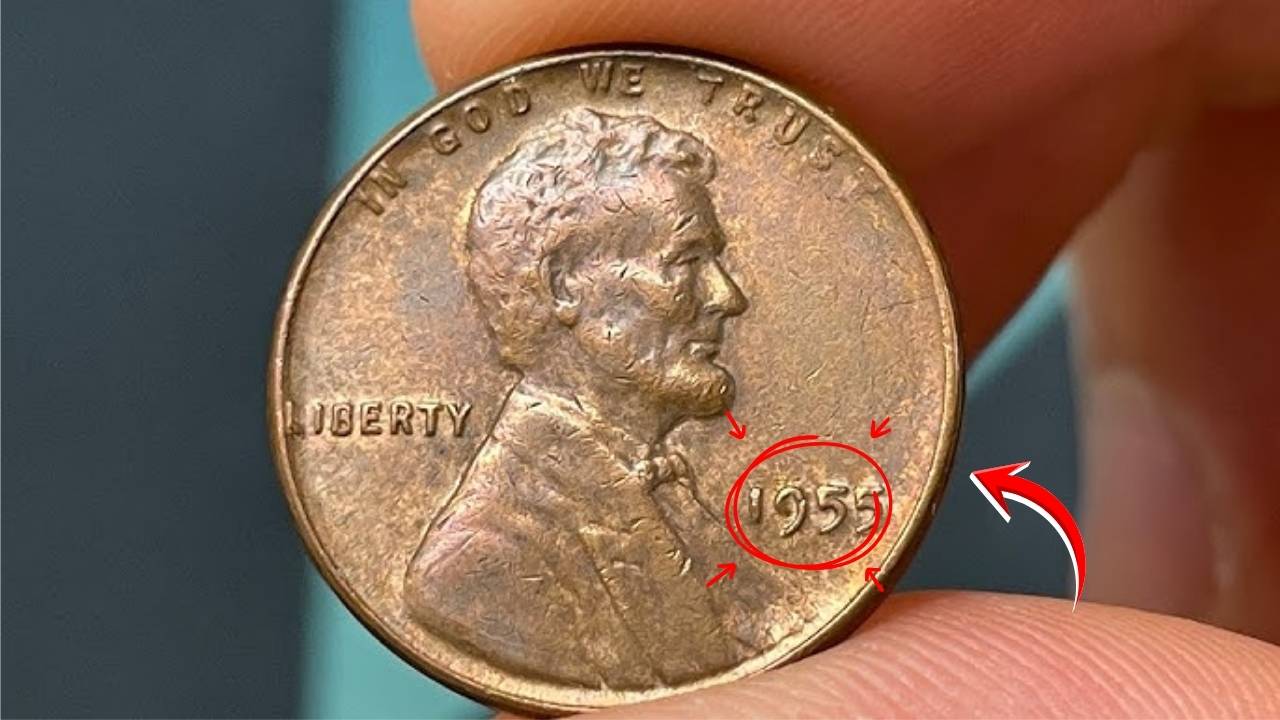
Rare Wheat Pennies 1915–1955: Wheat pennies, also known as Lincoln wheat cents, were minted in the United States from 1909 to 1958. Among these, coins produced between 1915 and 1955 are particularly sought after by collectors due to their age, rarity, and unique design features. Correctly identifying these coins is essential for determining their value, verifying authenticity, and deciding whether to keep or sell them.
This guide provides a comprehensive overview for collectors on how to identify rare wheat pennies from 1915 to 1955, their approximate value depending on condition, and practical tips for building or expanding a collection.
History of Wheat Pennies (1915–1955)
The wheat penny was introduced in 1909 to commemorate the 100th birthday of Abraham Lincoln. The reverse side features two wheat stalks framing the coin’s denomination, giving it the nickname “wheat penny.” Between 1915 and 1955, these coins were minted in large quantities, but certain years and mint marks are much scarcer, increasing their collector value.
During this period, wheat pennies experienced changes in metal composition, relief depth, and minor design variations. Some coins also have minting errors or unique markings, making them highly desirable for collectors. Understanding these differences is crucial to identifying coins that are genuinely rare and valuable.
How to Identify a Rare Wheat Penny
To identify a rare wheat penny, collectors should pay attention to the following factors:
- Year and Mint Mark: Some years and specific mint marks are more valuable than others. For example, 1915 S and 1922 plain (without a mint mark) are highly sought after.
- Condition: Well-preserved coins with sharp detail are significantly more valuable. Grading ranges from Good (G), Very Good (VG), Fine (F), Very Fine (VF), Extra Fine (XF), About Uncirculated (AU), to Mint State (MS).
- Minting Errors: Coins with errors, such as double strikes, doubled dates, misaligned letters, or flaws in the wheat stalks, often fetch higher prices.
- Weight and Composition: Differences in copper content or alloy composition can affect rarity and value.
Using a magnifying glass or a coin microscope is recommended for examining fine details.
Approximate Value Chart for Wheat Pennies (1915–1955)
Below is a general range of values for some wheat pennies from this period, depending on condition:
- 1915 D: $10 – $500
- 1915 S: $50 – $1,500+
- 1922 (plain): $20 – $2,000
- 1931 S: $5 – $600
- 1943 copper (most 1943 pennies were steel): $50 – $10,000
- 1955 D and 1955 S: $1 – $200, with double-die errors exceeding $3,000
These values are approximate and fluctuate based on market demand and authentication. Certified coins generally command higher prices.

Tips for Beginner Collectors
If you are starting a wheat penny collection, consider the following:
- Learn which years and mint marks are most valuable. Not all old coins are rare.
- Understand coin grading to differentiate between Fine, Very Fine, and Extra Fine coins.
- Avoid cleaning coins with chemicals or abrasive materials, as this reduces collector value.
- Consult reputable catalogs and databases for updated market values.
- Consider professional grading for high-value coins to verify authenticity.
Preserving Wheat Pennies
Proper storage is essential for maintaining or increasing a coin’s value:
- Use plastic capsules or specialized coin albums to prevent friction and exposure to air.
- Store coins in a dry, temperature-stable environment to avoid oxidation or spotting.
- Handle coins only by the edges to avoid transferring oils or dirt.
- Avoid exposure to chemicals, sunlight, or temperature fluctuations.
Determining True Rarity
Not all old coins are rare. To determine rarity:
- Compare the coin to catalogs and guides to verify year, mint mark, and physical features.
- Consult professional numismatists or reputable coin dealers.
- Look for minting errors, unusual marks, or alloy differences.
- Consider circulation: heavily worn coins generally have lower value than well-preserved examples of the same year.
Conclusion
Wheat pennies minted between 1915 and 1955 are highly prized by collectors for their history, design, and rarity. Accurately identifying year, mint mark, condition, and minting errors is essential for estimating value and making informed decisions about keeping or selling coins.
Collecting wheat pennies requires patience, knowledge, and careful handling. With the right information, collectors can build a valuable collection that combines history, investment, and passion for numismatics. The key is to recognize rare coins, preserve them properly, and rely on trusted sources to ensure each coin is valued fairly in the market.